
Mission trip preparation usually means a passport check, a packing list, and a support-raising letter. Rarely does it mean a training plan. That’s backwards. You can have your visa in hand and your bags packed and still be the reason the team slows down on day three — because nobody trained the body that has to carry the mission.
The trip doesn’t test your theology. It tests your legs, your gut, your sleep debt, and your ability to keep serving after a bad night on a thin mattress. Here’s an 8-12 week plan to get your body ready for the field, not just your paperwork.
Why Mission Trip Preparation Can’t Wait Until Departure Week
Short-term teams are usually stacked with willing hearts and unready bodies. You show up jet-lagged, sleep-deprived, and eating unfamiliar food, then you’re asked to hike, carry, stand, and serve for twelve hours a day. Nobody trains for that by accident.
The long-term data backs this up. Global Frontier Missions notes that missionary attrition is a real, recurring problem — one where health issues and the physical exhaustion caused by the demands of the work are named reasons people leave the field early. And the mental load compounds it: a 2015 survey of career healthcare missionaries found that roughly two-thirds — 65.8% of women and 60.1% of men — reported moderate to severe anxiety. An exhausted, undertrained body has zero reserve left to absorb that kind of stress. A short-term trip is a preview. Mission trip preparation is how you make sure the preview doesn’t wreck you, and it’s how you find out now — not on the field — whether your body can hold up long-term.
This isn’t vanity fitness. It’s stewardship. Read The Ministry Athlete for the full case — your body is the vehicle for the calling, not a separate concern from it.
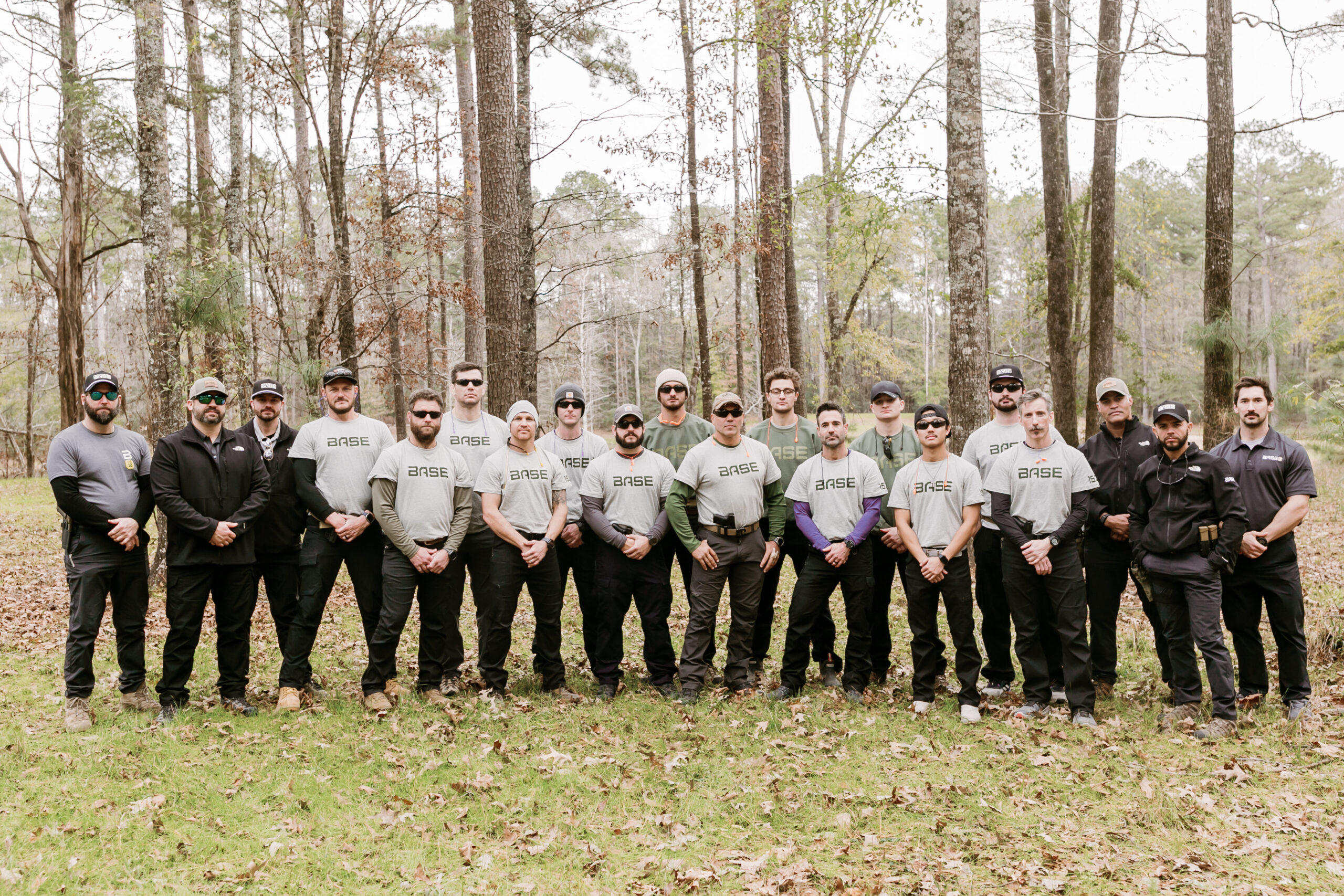
Weeks 12-9: Build the Aerobic Base
Start here even if a trip feels far off. Aerobic capacity is what lets you keep functioning after a bad night of sleep and a long travel day — and most short-term trips involve both.
- 3-4 sessions per week of 30-45 minutes: walking, jogging, rucking, or cycling. Keep the pace conversational.
- 2 strength sessions per week: squat, hinge, push, pull, carry. Full body, nothing exotic.
- One long walk on the weekend, 60-90 minutes, ideally outdoors and in the shoes you’ll wear on the trip.
This phase is boring on purpose. You’re building the base the rest of your mission trip preparation sits on. Skip it and every later week gets harder than it needs to be.
Weeks 8-5: Add Load — Rucking and Carries
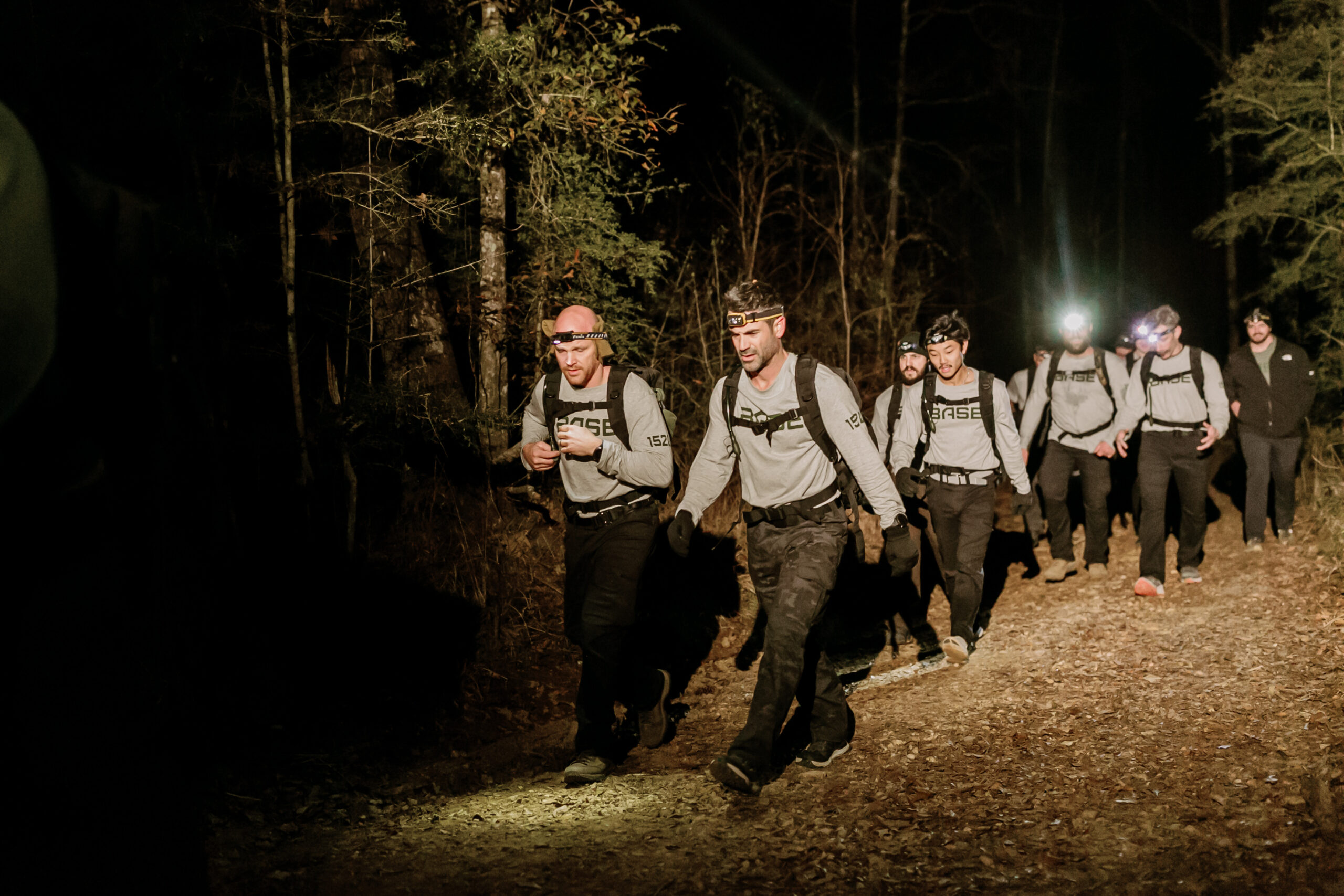
Now you start training the specific demand of the field: carrying weight over uneven ground, often in heat, often after a short night’s sleep. Rucking is the single best tool for this.
Start light. 15-20 lbs in a rucksack is plenty for most people in week 8. Add weight gradually — never distance and weight in the same week.
- 2 ruck sessions per week, 30-60 minutes, building toward the terrain and pack weight you expect on the field.
- Add loaded carries to your strength sessions — farmer carries, sandbag carries, suitcase carries. These build the grip and trunk strength that a pack alone won’t.
- Keep one unloaded cardio session for recovery.
If your trip involves a specific known demand — building, digging, hauling water, standing for hours in a clinic line — start rehearsing that exact movement pattern now, not the week you land. Our training programs are built around this kind of specific, mission-shaped preparation.
Weeks 4-2: Simulate the Field
This is where mission trip preparation stops being generic fitness and starts looking like a rehearsal. Field conditions rarely match a gym. Simulate what you can:
- Sleep-deprived training. Once, do a session on 5-6 hours of sleep instead of your normal 7-9. You need to know how your body performs when the trip inevitably steals a night from you.
- Heat exposure. If your destination is hot and you’re not, train outside in the heat of the day when you safely can, and prioritize hydration and electrolytes now, not after you land.
- Full gear test. Wear the actual boots, pack, and clothing you’re bringing on a real training session. Blisters and chafing show up in week 3, not day one on the field — find them here instead.
- Unfamiliar food. If you know part of your itinerary, start eating simply and cleanly now so your gut isn’t relearning digestion at the same time it’s fighting a new microbiome.
Teams that skip this phase find out the hard way that a treadmill doesn’t prepare you for a dirt trail at altitude, and that new boots and a 10-mile day don’t mix.
A Sample Week: Weeks 6-4
Mission trip preparation gets abandoned when it stays abstract. Here’s what a mid-plan week actually looks like once you’re past the base-building phase and into load:
- Monday: Strength — squat, push, pull, farmer carry. 45 minutes.
- Tuesday: Ruck, moderate pace, 30-35 lbs, 40 minutes on the roughest terrain nearby.
- Wednesday: Rest or easy walk. Sleep is the priority, not another session.
- Thursday: Strength — hinge, carry variation, core. 45 minutes.
- Friday: Short ruck or hike, lighter load, focus on foot care and gear.
- Saturday: Long walk or ruck, 60-90 minutes, in trip conditions if you can find them — heat, hills, humidity.
- Sunday: Full rest.
Adjust the loads and distances to your own baseline and to the specific field you’re heading toward. A team hiking to remote villages needs different volume than a team standing in a clinic line for ten hours. The principle stays the same either way: train the actual demand, not a generic one.
Final Week: Taper, Sleep, Gear Check
The final week of mission trip preparation is not for cramming in one more hard session. It’s for showing up rested.
- Cut training volume by half. Keep intensity low. You’re not building fitness this week — you’re arriving with a full tank.
- Protect sleep. Two full nights of 8+ hours in the 72 hours before you fly matter more than anything you could do in the gym.
- Final gear check: pack weight, first aid, medications, electrolytes, and a small kit for blisters and GI issues. These are the things that quietly end a trip early.
- Hydrate well before travel — flights and long bus rides dehydrate you faster than people expect.
The Non-Negotiables No One Puts on the Packing List
Beyond the training block, a few things separate the missionary who finishes strong from the one who’s sidelined by day five:
- Grip and feet. Break in footwear at least four weeks out. New boots on the field is a self-inflicted injury.
- Gut resilience. Start any probiotic or dietary adjustment weeks before departure, not the morning you land.
- Sleep hygiene under stress. Practice falling asleep in noise and discomfort now — a fan, a loud recording, an unfamiliar bed — since the field rarely offers a quiet room.
- Recovery habits. Know your own signs of overheating, dehydration, and overtraining before you’re a continent away from a doctor who knows your history.
None of this replaces the spiritual preparation for a trip. It supports it. A body that gives out on day four can’t finish what the heart showed up ready to do — see 9 Physical Warning Signs of Pastor Burnout for how often physical depletion gets misread as a spiritual problem, and Missionary Attrition Has a Blind Spot for why almost nobody screens the body before sending it into hard places.
Start the Plan Now, Not the Week You Leave
Mission trip preparation done right takes 8-12 weeks, not eight days. If your trip is closer than that, start today anyway — some preparation beats none, and even two weeks of rucking and sleep discipline will change how you show up on the field.
Take the Mission Readiness Check to see where your body actually stands before you go, or start a free trial of the BASE 1520 app and let a structured program carry you through the countdown to departure.