
Missionary nutrition is the most ignored variable on the field. A church spends months screening a candidate’s theology, their marriage, their support raising. Then they send them across the world and never once ask what that person eats. Six months in, the missionary is flat. Foggy. Can’t get up. Everyone calls it burnout. Everyone prays about the spirit. Almost nobody checks the fuel.
That’s the blind spot. Real burnout exists, and it is spiritual and emotional and it is heavy. But a large slice of what gets labeled burnout on the field is not a soul that quit. It’s a body running on empty tanks. Here’s the hard truth: several common nutrient deficiencies produce the exact symptoms we spiritualize — fatigue, brain fog, low mood, no drive, getting sick constantly. Fix the fuel and the “burnout” lifts. Not always. But more often than we admit.
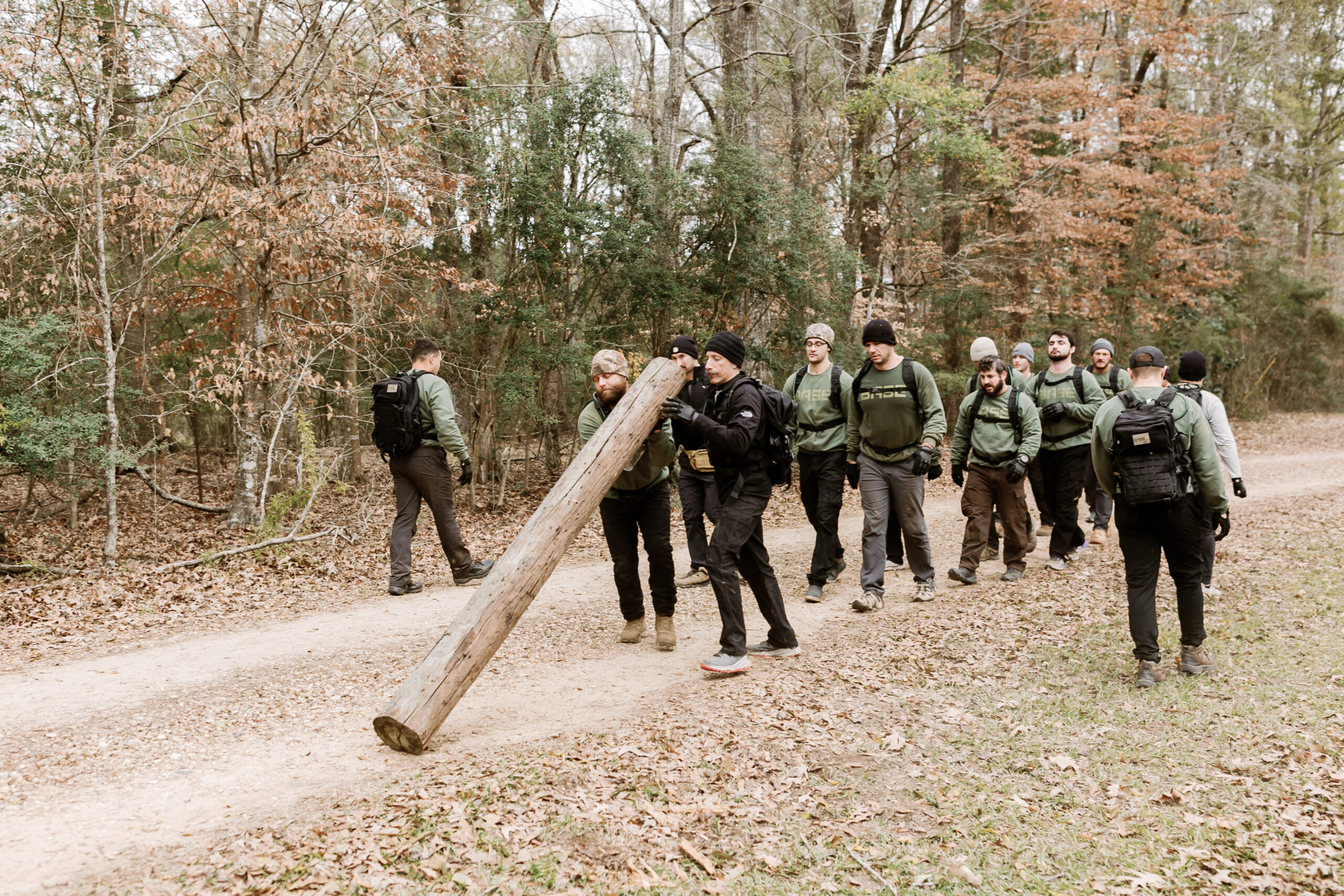
Why Missionary Nutrition Fails on the Field
Nutrition doesn’t fail because missionaries are lazy. It fails because the field attacks it from every side. The food changes. The rice-and-beans staple diet is filling but thin on iron, B12, and complete protein. Cooking gets hard. Refrigeration is unreliable. Time evaporates.
Then there’s the money. Field budgets are tight, and food quality is the first thing cut. A missionary will skip meat before they skip ministry. Add heat, poor water, and gut infections that wreck absorption, and you get a slow leak. The tank drains for months before anyone notices the needle is low.
This matters because the task is enormous. According to Joshua Project, more than 7,000 people groups remain unreached, representing over three billion people who have little or no access to the gospel. We cannot afford to lose healthy workers to a problem that a plate of food could have prevented.
The Deficiencies That Masquerade as Burnout
Here’s where missionary nutrition gets practical. A handful of specific shortfalls produce symptoms that look exactly like spiritual and emotional collapse. Learn to recognize them.
Iron. Low iron means low oxygen delivery. That reads as bone-deep tiredness, breathlessness on stairs, cold hands, and a brain that won’t focus. It hits women hardest. A missionary on a low-meat diet can slide into deficiency without a single dramatic symptom — just a slow fade that looks like “I’m not cut out for this.”
Vitamin B12. B12 comes almost entirely from animal foods. Cut those and, over time, you get fatigue, memory problems, tingling in the hands and feet, and low mood. It is one of the great burnout impersonators. And it hides — the body stores it, so the crash comes months after the diet changed.
Vitamin D, Magnesium, and the Fuel Behind Your Mood
Vitamin D. You’d think a missionary in a sunny country is fine. Often they’re not — they’re indoors, covered up, or their skin makes less of it than they need. Low vitamin D tracks with low mood, weak immunity, and aches. In the darker latitudes it’s nearly universal.
Magnesium. Stress burns through magnesium, and the field is nothing but stress. Run low and you get poor sleep, muscle cramps, anxiety, and a heart that races for no reason. Sound like anyone under pressure you know?
Protein, plainly. This is the one nobody counts. Protein builds the neurotransmitters that regulate mood and the muscle that keeps you resilient. A rice-heavy field diet can leave a grown man chronically under-fed on protein while his calories look fine. He’s not weak in spirit. He’s under-built.
The point isn’t that burnout is fake. The point is that we keep treating a fuel problem with a prayer meeting — and then wondering why the prayer meeting didn’t fix the fatigue.
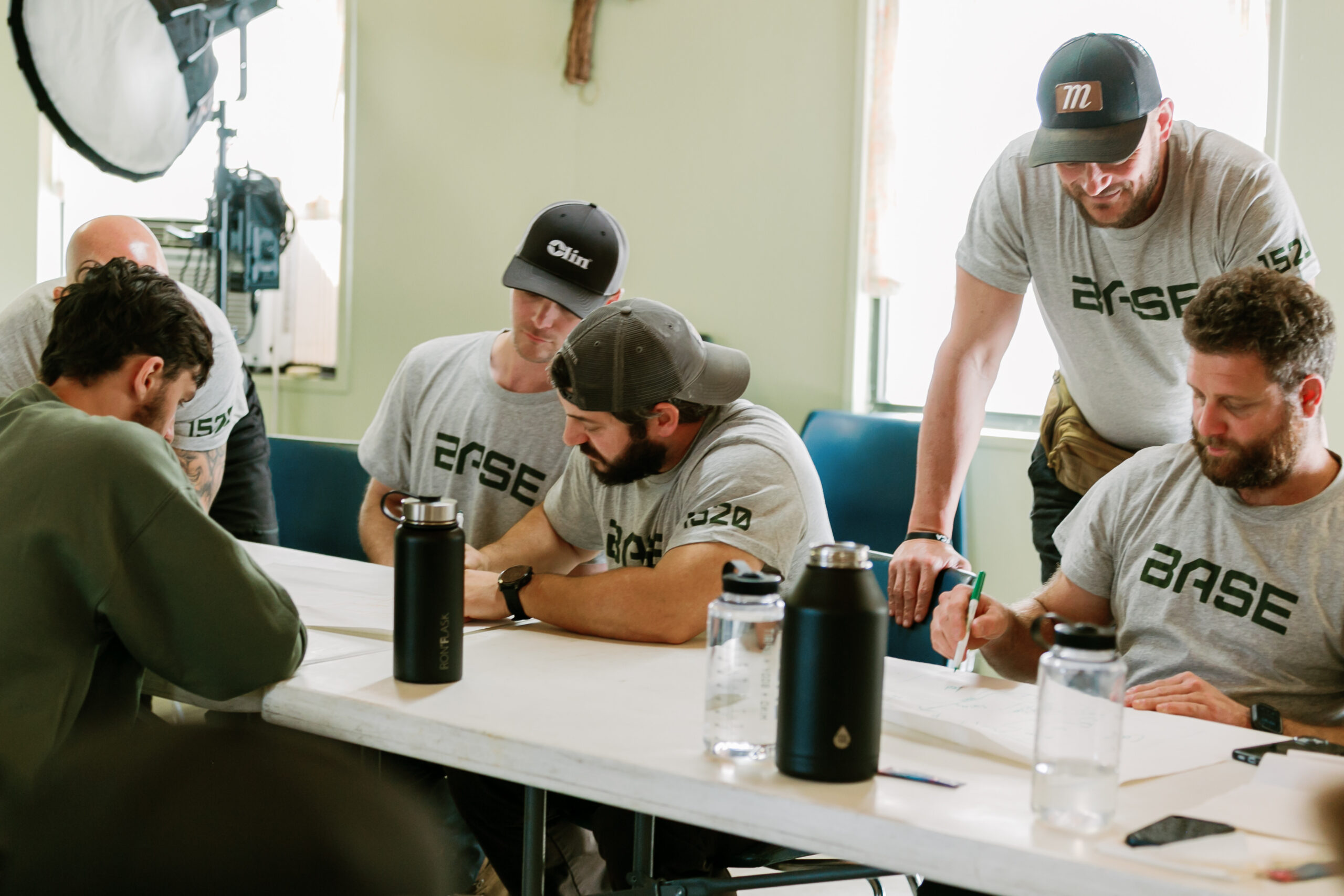
What the Bible Actually Says About Fuel
Some will flinch here. Isn’t obsessing over food carnal? No. Scripture takes the body seriously without worshiping it. Elijah, after his great spiritual collapse under the broom tree, is not first given a sermon. He is given food and sleep — twice — before God speaks (1 Kings 19:5–8). The angel’s diagnosis was blunt: “the journey is too great for you.” Sometimes the most spiritual thing is a meal and a nap.
Paul frames the body as a temple of the Holy Spirit, bought at a price, to be stewarded rather than ignored (1 Corinthians 6:19–20). That’s not a license for vanity. It’s a call to maintain the tool the mission runs on. You would not send a truck across a continent without fuel and oil. Missionary nutrition is fuel and oil for the person doing the work.
Burnout or Deficiency? How to Tell the Difference
You can’t self-diagnose from a blog post, and you shouldn’t try. But you can get honest about the pattern. Real spiritual and emotional burnout usually shows up alongside cynicism, loss of meaning, and relational withdrawal. Nutrient deficiency tends to be more physical and stubborn — the tiredness doesn’t lift after rest, the fog persists on your day off, you get sick constantly, your workouts collapse.
When both are present — and they often are — you treat both. Get the labs. A simple blood panel checking iron, B12, vitamin D, and thyroid answers most of the question. If you’re preparing to deploy or already on the field, don’t guess. This is exactly the kind of physical variable we cover in why nobody screens the missionary body, and it’s why we build a readiness standard before a crisis forces one.
A Field-Nutrition Baseline You Can Actually Hold
Perfect eating on the field is a fantasy. A defensible baseline is not. Here’s the floor.
- Protein first, every meal. Eggs, fish, meat, legumes stacked with a grain. Aim to build a plate around protein, not around rice.
- Cover the big four. Talk to a doctor about supplementing vitamin D, B12, magnesium, and iron if your diet or labs warrant it. These are cheap and pack light.
- Guard the gut. Clean water and food safety aren’t just about avoiding a bad week. Chronic gut infections quietly steal every nutrient you eat.
- Eat enough. Underfueling is not discipline. A depleted missionary helps no one. Calories are permission to work.
None of this is complicated. But it doesn’t happen by accident under pressure, which is why we bake it into a training plan instead of leaving it to willpower. That’s the whole idea behind the ministry athlete — you train and fuel for the mission the way a soldier trains for the fight, before you need it.
Fuel Is a Stewardship Issue, Not a Vanity Issue
Let’s land it. The gospel goes to the nations on the backs of ordinary people with ordinary bodies. When those bodies run empty, the work slows, and sometimes the worker comes home for good. The Lausanne Movement has long argued that mission is holistic — that we send whole people, not disembodied souls. Missionary nutrition is part of that whole.
So stop spiritualizing the fatigue before you’ve checked the fuel. Get the labs. Build the plate. Hold the baseline. Then, if the burnout is real, deal with the real thing — with help, with rest, with your people around you. But don’t let a solvable deficiency masquerade as a calling that failed.
If you’re deploying soon or grinding on the field right now, don’t guess at your readiness. Take the free Mission Readiness Check and see where your body actually stands — or start a free trial of the training app and get a plan that fuels the mission: start here.