
Strength training for pastors sounds like a luxury. It isn’t. The body you preach from, counsel from, and carry a church with is the same body you keep telling yourself you’ll get to “later.” Later never comes. Meanwhile the load only grows.
Most pastors treat their bodies like a rental car. Drive it hard, ignore the warning lights, hand it back wrecked. But you don’t get a new one. You get this one, for the length of the assignment. So the question isn’t whether you have time to train. It’s whether your calling can afford a body that quits before you do.
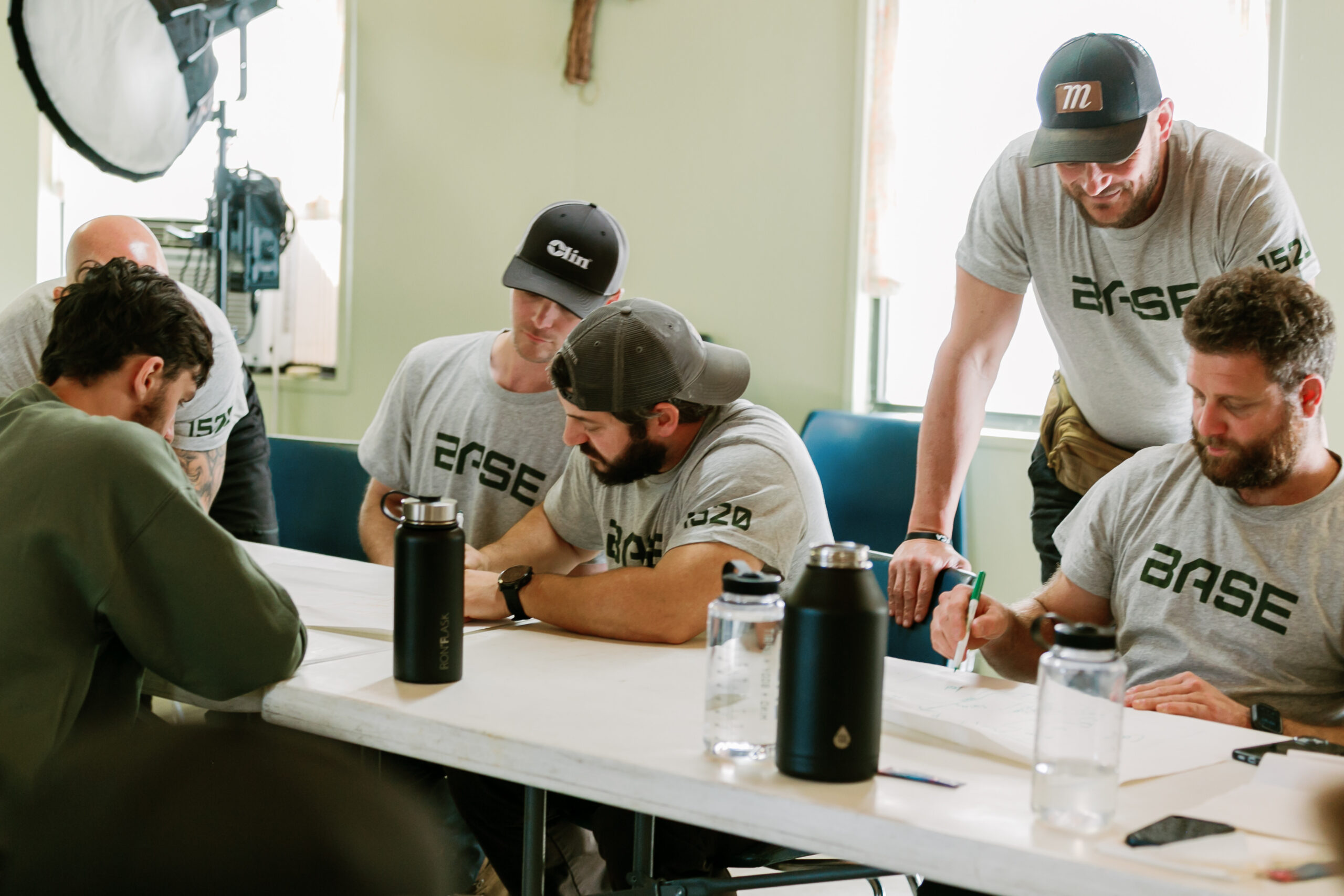
The body you minister from is the body you’re stewarding
Ministry is physical work. You may not think of it that way, but your body keeps the score. Long days. Broken sleep. Hospital visits at 2 a.m. Funerals on Friday and a full pulpit on Sunday.
Every one of those demands runs on the same battery. When the battery is weak, everything downstream suffers. Your patience shortens. Your presence thins out. Your capacity to absorb other people’s pain shrinks.
Strength isn’t about the mirror. It’s about margin. A strong body gives you reserves to spend on the people God put in front of you. A weak one makes you stingy without meaning to be.
What the research actually says about pastors’ bodies
The numbers are not kind. Duke Divinity’s Clergy Health Initiative found that clergy in North Carolina carried significantly higher obesity rates than their non-clergy neighbors — close to 40 percent versus roughly 29 percent in the surrounding population. That gap isn’t small. It’s a warning light.
Burnout tracks right alongside it. Barna reported that a large share of pastors have seriously considered quitting full-time ministry, with stress and exhaustion near the top of the reasons. The body and the calling fail together, not separately.
You can’t out-pray a body you refuse to steward. Grace covers your sin. It doesn’t cover your neglect.
Here’s why those two numbers belong in the same sentence. A weaker body has fewer reserves, and fewer reserves mean stress lands harder and recovers slower. The physical decline and the ministry exhaustion feed each other in a loop.
None of this shames anyone. It names a blind spot. We spiritualize exhaustion and medicate symptoms while the root sits untrained in the weight room we never enter. If you want the fuller picture, we mapped it in the physical warning signs of pastor burnout.
Why strength training, not just “wellness”
Wellness is a soft word. It suggests bubble baths and vague self-care. Strength is a hard word, and it’s the right one.
Resistance training does something a walk cannot. It builds and defends muscle, and muscle is the tissue that ages worst when you ignore it. After forty, you lose it steadily unless you fight for it. That lost muscle is lost independence, lost energy, lost resilience.
Strength training also protects your metabolism, your bones, your blood sugar, and your mood. It’s the closest thing to a keystone habit your body has. Fix this one, and a dozen downstream problems start to loosen.
Cardio matters too. But if you only have three hours a week, spend the biggest share under a barbell, not on a treadmill. Strength is the foundation the rest stands on.
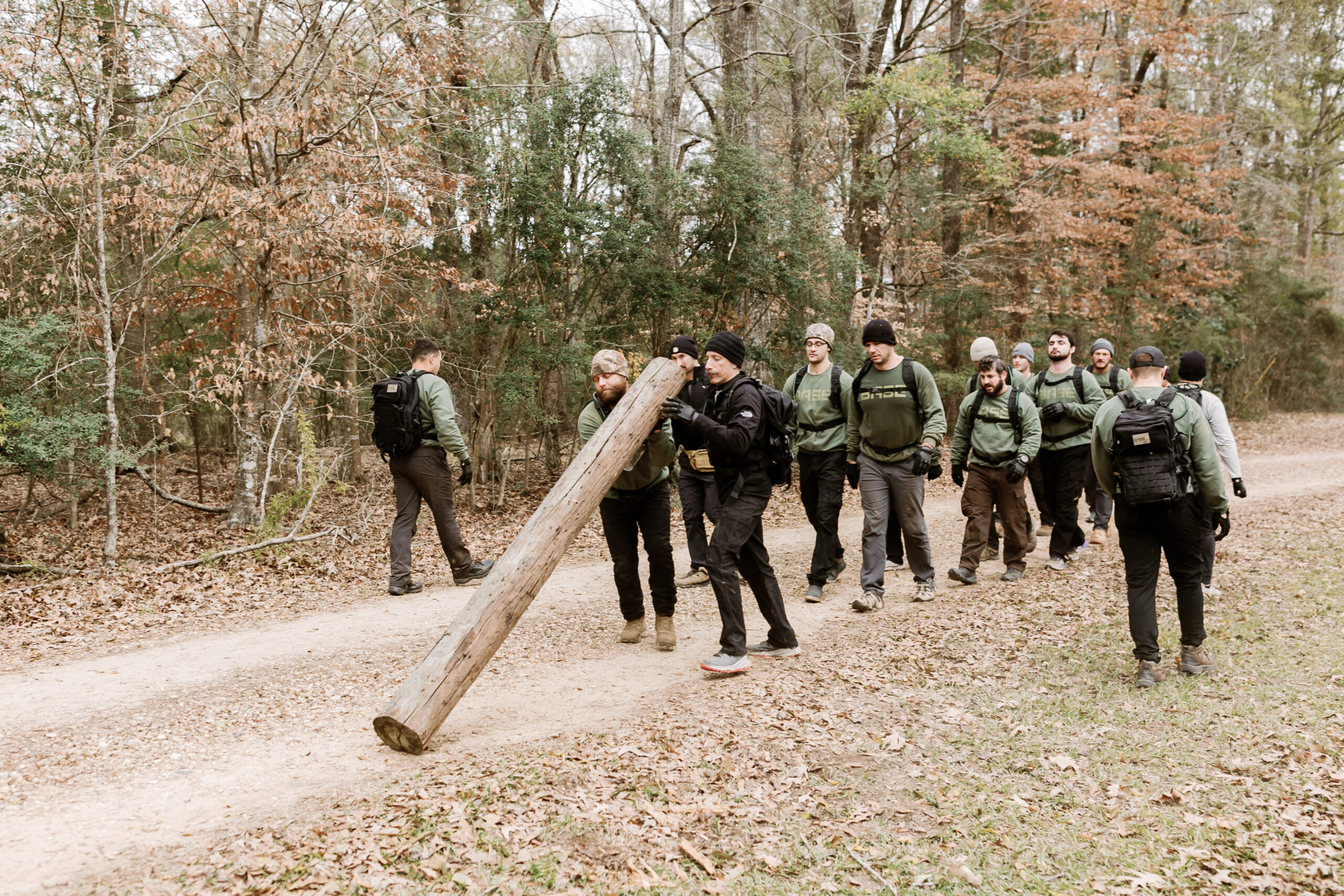
The theology under the barbell
Someone always quotes 1 Timothy 4:8 to shut this conversation down. “Bodily training is of some value, but godliness is of value in every way.” Read it carefully. Paul ranks godliness higher. He does not call the body worthless.
“Some value” is still value. Paul uses an athlete’s word here, and he isn’t sneering at it. He’s ordering it. Godliness first, the body in service under it — not deleted, not idolized. Ordered.
Then there’s 1 Corinthians 6:19-20. Your body is a temple of the Holy Spirit, bought at a price. Stewardship of that temple isn’t vanity. Neglect of it isn’t humility.
And Paul trains like it matters. In 1 Corinthians 9:24-27 he disciplines his body and keeps it under control, so that after preaching to others he himself will not be disqualified. He isn’t building a physique. He’s guarding a mission. That’s the whole point of strength training for pastors — not a better body for its own sake, but a body that won’t sideline the assignment.
What strength training for pastors actually looks like
You don’t need two hours a day. You need three sessions a week, done consistently, aimed at the movements that carry the most return.
Build around the basics. Squat, hinge, push, pull, carry. Add weight slowly and keep showing up. That’s it — the fundamentals beat the fancy stuff every time.
- Squat or leg press — the legs you stand and walk on all week.
- Hinge (deadlift or hip thrust) — the back that fails first under stress.
- Push and pull — balanced upper body, better posture, fewer aches.
- Loaded carries — the most honest, transferable strength there is.
Consistency beats intensity here. A pastor who trains three days a week for a year will pass the one who crushes himself for a month and quits. Slow and repeatable wins.
If you want a structure built for men in the fight instead of gym rats, that’s exactly what our training approach is for. It meets you where your schedule actually is.
“I don’t have time” — and other honest objections
Let’s deal with the real reasons, not the polite ones. The first is time. But three 45-minute sessions is under three hours a week — less than most men spend scrolling in bed.
You’re not too busy. You’re unprioritized. And an unprioritized body eventually forces the issue with a diagnosis, a collapse, or a slow fade nobody names until it’s advanced.
The second objection is guilt. Some pastors feel that strength training for pastors is self-indulgent — hours spent on themselves while sheep need shepherding. Flip it. A depleted shepherd serves out of an empty tank and calls it sacrifice. It isn’t sacrifice. It’s slow disqualification.
The third is fear of vanity, and it’s the most spiritual-sounding of the three. But there’s a clean line between vanity and stewardship. Vanity trains for the mirror and the applause. Stewardship trains for the mission and the years. Same barbell, opposite heart.
Test yourself honestly on that line. If the weight room starts feeding your ego instead of your endurance, name it and correct it. Motive matters. But fear of a bad motive is a terrible reason to neglect a good stewardship.
Start with an honest look in the mirror
Most pastors don’t need more information. They need a decision. The gap between knowing and doing is where good men slowly get weaker.
So make it concrete. Don’t overhaul your life this week. Pick up something heavy three times, on three different days, and repeat it next week. Strength is built in reps, not resolutions.
The mission needs you durable. It needs you in the fight at sixty, not sidelined at fifty. Train like the assignment depends on it — because in part, it does. This is what the ministry athlete is all about.
Ready to see where your body actually stands? Take the Mission Readiness Check, or start training today with the BASE 1520 app. Steward the body. Protect the calling.